Fashion marketing for your DTC and omnichannel apparel, accessories, and footwear brand. Redefine Web runs your Shopify or WooCommerce storefront, apparel-native SEO, Meta and TikTok media buying, and Klaviyo lifecycle. Every campaign reports on your return-adjusted revenue and repeat rate, so you see what actually pays your bills.
Selected clients we've run full marketing programs for
Three problems draining margin and repeat orders
If any of these looks familiar, the free website audit names the fix and what it's worth, before you spend a dollar.
PROBLEM 01 · RETURNS
Meta bids for the same size-bracketing shoppers
Apparel returns run 30 to 40% and Meta CAPI never sees them. The pixel keeps bidding on shoppers who send everything back next week, so CAC misses.
THE FIX · RETURNS-ADJUSTED CAPI FEED + KEEP-RATE
PROBLEM 02 · FEED
Merchant Center rejects half your Shopify feed
Merchant Center kills half your Shopify feed on GTIN and color mismatches. Two hero SKUs run PMax on missing attributes, wasting your PMax budget.
THE FIX · FEED RULES + GTIN EXEMPTION HANDLING
PROBLEM 03 · DROP
Drop-week CAC spikes to $41 without any warm-up
No Klaviyo waitlist or Attentive SMS pre-warm sequence in place. Drop-week CAC spikes 2 to 3x, and inventory sits idle when Meta has not seen the drop.
THE FIX · 45-DAY DROP RUNWAY WITH KLAVIYO PRIMER
Four fashion marketing services, one accountable lead
Each pillar is a full program for your brand. Run any one on its own or bundle all four into one retainer with a single point of contact. Every hour is measured against your orders placed and revenue per shopper.
Same rhythm on every brand. We audit your funnel before spending a dollar. Position your offer before launching an asset. Build against your target shopper. Scale against your orders placed and repeat rate on real revenue after returns.
DISCOVERYDiagnose the funnel
Site, Shopify, ad accounts, email flows, and post-purchase surveys. Channel-by-channel teardown against orders placed, return rate, and repeat rate.
SIGN-OFF: 3 WINS READY TO APPLY
OFFERSharpen the offer
Nail the hero SKU mix, size and fit story, and target shopper. Every PDP, ad, and email built off one positioning brief.
SIGN-OFF: SKU MIX + OFFER LOCKED
BUILD + LAUNCHBuild the assets
Launch the storefront, PDPs, funnels, and Shopify-linked tracking inside a 4 to 10 week build. Weekly written notes, nothing stalled in draft.
SIGN-OFF: ASSETS LIVE, FULLY OWNED
ONGOING GROWTHCompound the growth
Compound paid, SEO, retention, and creator wins. Performance reviews on your tier's cadence, tied to orders placed and repeat rate on real revenue.
SIGN-OFF: ORDERS + REPEAT TRACKING LIVE
Not every fashion agency reports the same things
Most fashion agencies report on impressions, clicks, and headline ROAS. Shopify templates report on nothing that matches your keep-rate math. Here is what actually shows up in your revenue after returns when you run the program with Redefine Web.
WHAT YOU ACTUALLY GET
REDEFINE WEB
TYPICAL AGENCY
DIY
Reports on orders placed and keep-rate (not clicks)
NO
NO
Return data fed back to Meta CAPI + TikTok Events API
NO
NO
Integrates with Shopify Plus, Loop, Happy Returns, Klaviyo
SOMETIMES
NO
Owned storefront source you keep at handoff
NO
YES
Fashion content written by writers who cover apparel
SOMETIMES
NO
Pinterest, TikTok Shop, Google Shopping under one lead
NO
NO
One accountable lead for the full engagement
NO
YES
Case studies
Real brands, real numbers
A sampling of recent engagements that match this work.
Published case study
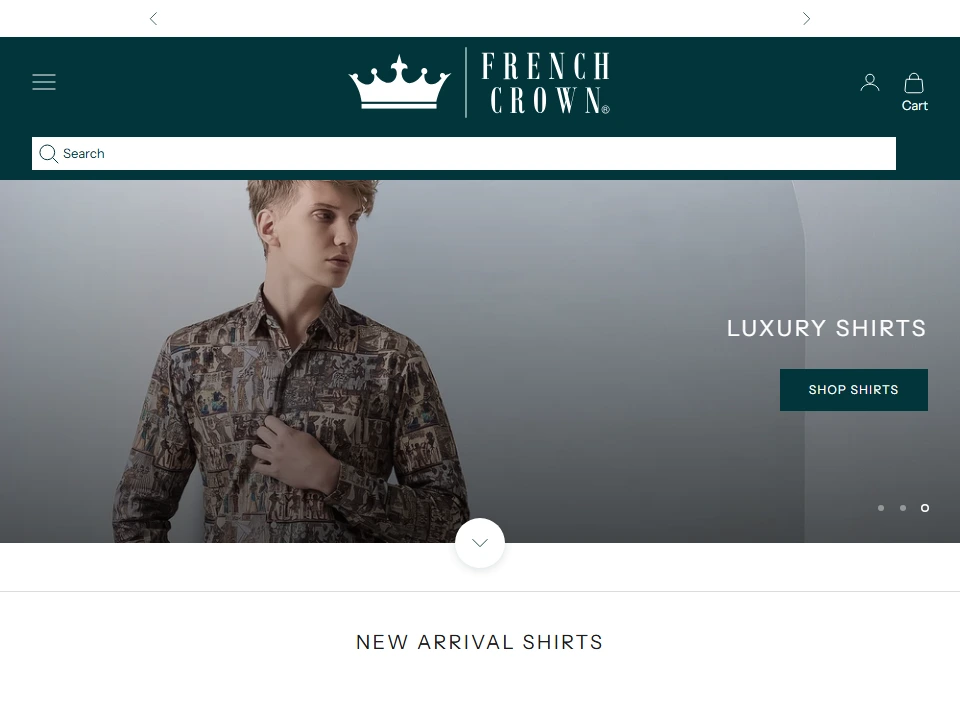
French Crown
FRENCHCROWN.COM
Fashion · D2C apparel•SEO · Google Ads · Performance Max
Grew Google Ads revenue 121% and organic users 106% for French Crown
French Crown was underperforming online, with weak search visibility and paid campaigns that spent without reaching the right shoppers. One connected plan across SEO, site experience and paid media grew Google Ads revenue 121% and organic users 106%.
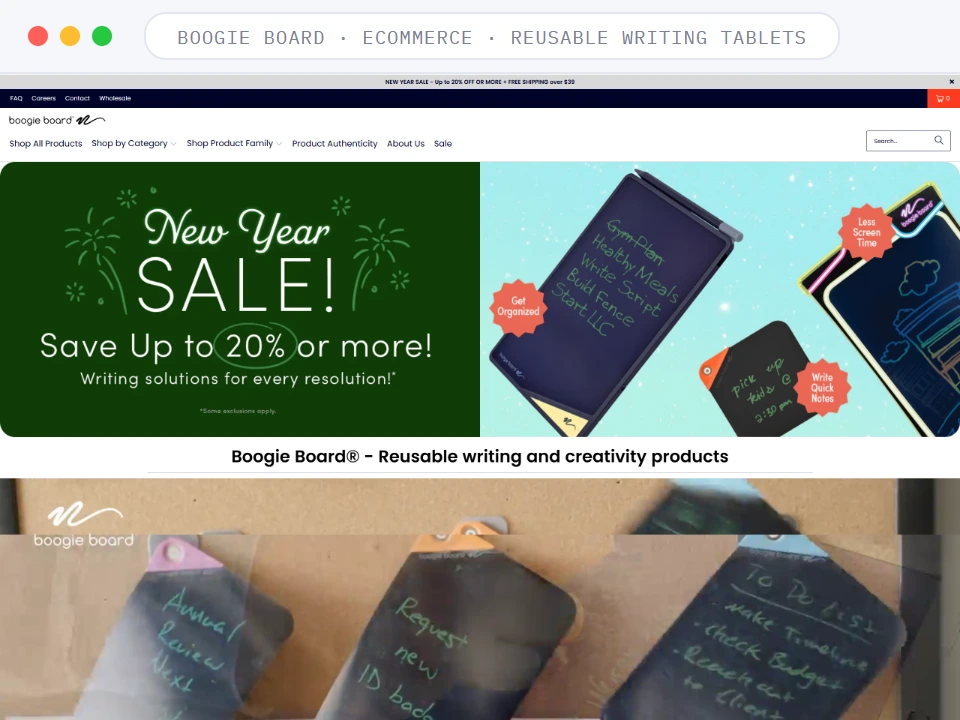
Drove sales for Boogie Board at a $31 cost per conversion, at scale.
Boogie Board, the brand behind the first reusable writing tablet, had loosely targeted Google Ads. Its landing pages undersold the product, and it had no follow-up for repeat buyers. We sharpened keyword targeting, added LinkedIn Ads, optimized landing pages and set up lead magnets and automated follow-ups. Conversion rates rose 11% and cost per conversion reached $31 across $650K in managed ad spend.
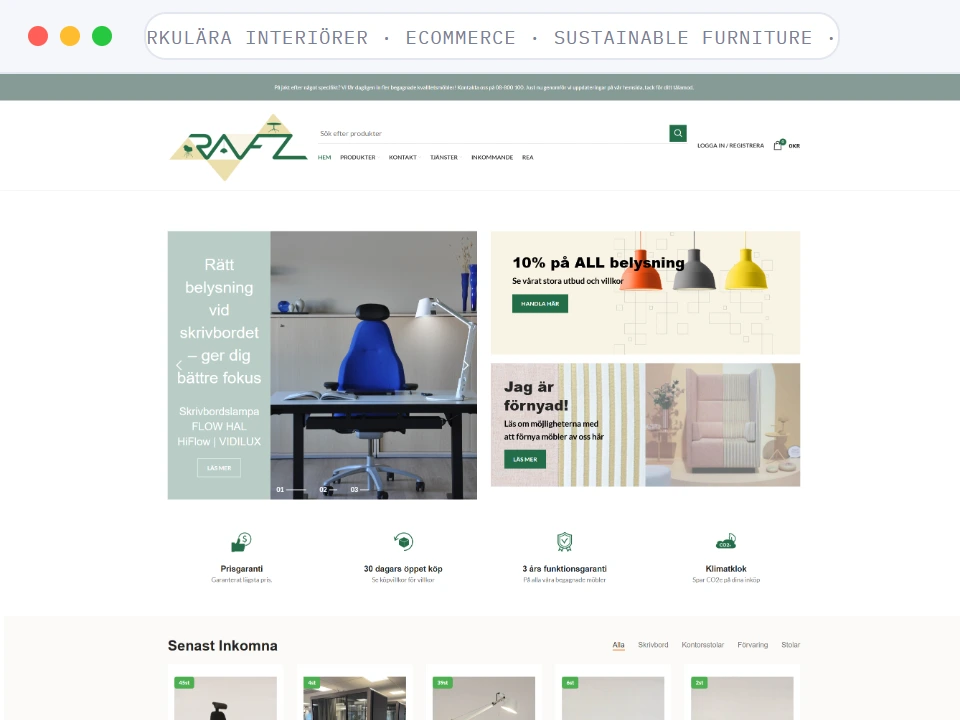
Ecommerce · Sustainable Furniture · Sweden•Web Development · WooCommerce Development · API Integration
Grew RAFZ conversions 28% with a rebuild that loads in 2 seconds.
RAFZ Cirkulära Interiörer sells eco-friendly furniture in Sweden. Its site was heavy with plugins and took 15+ seconds to load, and shoppers left their carts. We rebuilt it on a light custom theme, tuned WooCommerce, added the place2place API and a repaint feature, and refocused the homepage on products. The site now loads in 2 seconds, server requests fell 82% and conversions rose 28%.
Fashion brand marketing is the paid, organic, and retention work that turns a clothing label into repeat-purchase revenue. It covers positioning, storefront UX, paid social on Meta and TikTok, Pinterest shoppable pins, Google Shopping, Klaviyo lifecycle email, and creator affiliate under one plan. A fashion marketing agency runs the mix against real orders placed and keep-rate CAC, not headline ROAS. That matters when apparel returns average 20 to 30 percent industry-wide, and headline ROAS overstates channel performance by 30 to 50 percent once returns net out. At Redefine Web the reporting weights every channel by returns-adjusted revenue, so you see which shoppers actually pay the bills. The Business of Fashion daily briefing covers the market signals we track against your quarterly plan. Retainers start at $750 per month and scale with the channel mix you need. Ad spend is billed straight through the ad platforms, not marked up. Contracts run 6 months by default.
How can I promote my fashion brand?
Start with 3 channels tied to buying intent, not vanity reach. Meta and TikTok carry cold prospecting through creator-integrated try-on content. Pinterest converts higher than any other social platform for apparel when shoppers arrive with buying intent already formed, so run a shoppable pin catalog fed straight from Shopify. Klaviyo lifecycle handles every post-click flow: browse abandon, cart, waitlist, replenishment, VIP. Layer Google Shopping once the feed is clean. Add TikTok Shop and Amazon after $2 to $3M annual revenue. Skip LinkedIn and Twitter for consumer fashion. Pre-stage every seasonal drop 30 to 45 days ahead through Klaviyo waitlist and Attentive back-in-stock SMS. A working fashion marketing agency plan names 3 to 4 hero SKUs, 2 to 3 acquisition channels, and the retention flows carrying repeat orders. Rewrite the plan every 90 days against real keep-rate data. Skip generic reach targets and buy against orders placed on your top categories.
What is the meaning of apparel marketing?
Apparel marketing is the full commercial stack a clothing brand runs to acquire customers, land the first order, drive the second, and keep gross margin after returns. It splits into 4 layers. Acquisition covers Meta, TikTok, Pinterest, Google Shopping, and Amazon. Retention covers Klaviyo, Attentive SMS, loyalty, and creator affiliate. Storefront covers Shopify or Centra, PDP fit information, size charts, and returns UX through Loop or Happy Returns. Reporting covers returns-adjusted revenue, keep-rate CAC, and 30, 60, and 90-day repeat rate. Apparel marketing services differ from generic ecommerce marketing when return rates run 20 to 40 percent on fit-sensitive categories, and the pixel keeps bidding for shoppers who return everything until you feed return data back into Meta CAPI and the TikTok Events API. Fit-finder tools from Klaviyo partners typically pull the return rate down 15 to 30 percent inside 90 days. That single fix also lowers blended CAC.
How to market your apparel brand?
Run 4 layers in sequence. Layer 1 is the storefront: Shopify with clean product feeds, real size charts, model measurement callouts, and Loop or Happy Returns wired for keep-rate reporting. Layer 2 is retention: Klaviyo flows for browse abandon, cart, post-purchase fit confidence, replenishment, and VIP, plus Attentive SMS for drop launches. Layer 3 is paid acquisition: Meta and TikTok prospecting on creator try-on content, Pinterest shoppable pins on hero SKUs, Google Shopping on category-level demand. Layer 4 is content: apparel-native SEO on category, comparison, and PDP pages plus creator affiliate through GRIN, Aspire, or LTK. A working apparel marketing agency stacks the 4 layers under one lead so drops, ads, and email cadence stay aligned. Skip Amazon and TikTok Shop until you clear $2M annual revenue. Every layer reports back on orders placed and keep-rate CAC, not clicks or ROAS on top-line spend. Weekly reporting keeps the mix honest.
What do you do in fashion marketing?
Fashion marketing work runs a brand across acquisition, retention, storefront, and reporting layers in a repeating quarterly rhythm. The typical week covers Meta and TikTok media buying, Pinterest catalog updates, Klaviyo flow QA, PDP and category SEO refresh, creator affiliate outreach, and drop-week runway planning through Attentive SMS and Klaviyo waitlist. Every project ties back to orders placed on your top SKUs and keep-rate CAC after returns. A fashion brand marketing lead sits over all 4 layers so the ad, email, and content teams work off one positioning brief. Drop calendars pace 4 to 6 launch windows across the year and drive 60 to 70 percent of annual revenue. Reporting cadence runs weekly on channel performance and monthly on returns-adjusted revenue plus 30, 60, 90-day repeat rate. Discovery, teardown, and offer sharpening come first. The build and launch phase follows, and the site build runs 4 to 10 weeks. Ongoing growth then compounds paid, SEO, retention, and creator wins.
What are the 4 Ps of fashion marketing?
Product, price, place, and promotion. In apparel that means the collection itself (product), price point plus discount depth (price), the sales channels (place: DTC Shopify, wholesale, marketplaces like Nordstrom or Revolve, TikTok Shop), and the paid plus organic mix (promotion: Meta, TikTok, Pinterest, Klaviyo, creator affiliate). The 4 Ps still frame the plan, but 3 modern additions run alongside for a fashion marketing agency: people (creator affiliate plus UGC), process (returns handling, drop cadence, inventory turn), and profit-after-returns (the number every DTC apparel brand actually gets paid on). Fashion brand marketing that skips the profit-after-returns math overstates channel ROAS by 30 to 50 percent. Every quarterly plan at Redefine Web writes each of the 7 Ps against a target and rebuilds the mix on real keep-rate data. Storefront rebuilds cost $2,500, $4,500, $7,500, or from $12,000 depending on scope. Marketing retainers start at $750 per month. Ad spend is billed separately.
What is fashion marketing strategy?
A fashion marketing strategy is the plan that connects a brand collection calendar, target shopper, price point, and channel mix to a revenue number and a repeat-order number. It answers 4 questions: who buys, what they pay, which channels reach them cheapest after returns, and how many order twice. Most apparel brands skip the returns math and the repeat-order math, so their strategy overstates channel ROAS by 30 to 50 percent. A real fashion brand marketing strategy names the 3 to 4 core products carrying revenue, the 2 to 3 channels carrying acquisition, the Klaviyo flows carrying retention, and the drop cadence pacing the year. It gets rewritten every 90 days against actual keep-rate data. Every quarterly plan pairs with a written 90-day tactical roadmap so the ads team, email team, and storefront team run against one brief. See Shopify marketing docs for the channel setup we build off. Weekly review meetings keep the plan sharp.
What is e-commerce in fashion?
E-commerce in fashion is the DTC and marketplace stack a clothing brand uses to sell online: Shopify or Centra storefront, product feeds routed to Google Merchant Center, Meta and TikTok catalog ads, Pinterest shoppable pins, Klaviyo lifecycle email, and returns handling through Loop or Happy Returns. Fashion e-commerce runs on tighter margins than general retail when return rates hit 20 to 40 percent on fit-sensitive categories, so the entire funnel gets built around size and fit clarity, keep-rate reporting, and post-purchase confidence flows. An apparel marketing agency running fashion e-commerce ties every dollar spent to returns-adjusted revenue rather than gross order value. Shopify Plus, Loop, Happy Returns, Klaviyo, Attentive, GRIN, and TikTok Shop are the standard integration stack. Merchant Center approval rates and feed hygiene alone add 15 to 25 percent visibility on Google Shopping. Fashion brand marketing that treats e-commerce as a fashion problem, not a generic retail problem, keeps CAC lower than a playbook built for supplements or home goods.
What social media platforms are best for fashion brands?
Instagram, TikTok, and Pinterest carry most fashion social revenue. Instagram runs on Reels, shoppable posts, and creator collaborations, and stays the primary brand channel for most apparel accounts. TikTok drives style discovery through creator-integrated try-on content and TikTok Shop conversion. Pinterest converts higher than any other social platform for fashion when shoppers arrive with buying intent already formed. YouTube Shorts and Snap can layer in once creator content is already flowing, quoted separately. LinkedIn and Twitter/X sit off the plan for consumer fashion. Every platform runs on the same creator-first content, cut to platform-native ratio and length, not one asset stretched across every channel. Fashion brand marketing that repurposes a single ad across every platform loses 40 to 60 percent of channel performance on TikTok, where platform-native cuts beat repurposed assets by wide margins. Redefine Web writes creator briefs, edits, and QA under one fashion lead so the content rhythm stays aligned.
What is the average return rate for clothing brands online?
Apparel and footwear run the highest ecommerce return rates of any product category, averaging 20 to 30 percent and spiking to 30 to 40 percent on fit-sensitive categories like jeans, dresses, and shoes. Contemporary womenswear is often worst. Luxury and accessories sit lowest. Free returns, bracketing (ordering 2 or 3 sizes at once), and thin PDP fit information are the 3 biggest drivers. Fit-finder tools like True Fit, Fit Analytics, and Kiwi Sizing, plus model size call-outs, real measurement charts, and post-purchase Klaviyo fit-confidence flows typically pull the number down 15 to 30 percent inside 90 days without hurting conversion. Loop and Happy Returns handle the reverse logistics on Shopify. A fashion marketing agency needs to feed return data back into Meta CAPI and the TikTok Events API so paid platforms stop bidding on high-return shoppers. Track Core Web Vitals alongside the fit data since slow PDPs quietly inflate returns further.
How much does a fashion marketing agency cost per month?
Marketing retainers at Redefine Web start at $750 per month and scale with channel mix. Storefront rebuilds are quoted as fixed-price projects at $2,500, $4,500, $7,500, or from $12,000. Standalone PPC and SEO programs run $500, $750, $1,250, or from $3,000 per month depending on scope. Emerging apparel brands under $500K annual revenue start on Foundation at $750 per month, covering on-page SEO, a blog post a month and a new page each quarter. Growing brands between $500K and $5M add Google Ads, Shopping included, on Growth at $1,250, then Meta ads on Scale at $1,999 per month. Scaling brands above $5M run the full program on Enterprise from $3,000 per month. TikTok, Pinterest, Amazon, Klaviyo flows and creator affiliate work are quoted separately. Ad spend goes straight to Meta, TikTok, Pinterest, Google, and Amazon and is billed separately from the retainer, not marked up. A fashion marketing agency retainer covers strategy, SEO and content, ad management from Growth up, creative briefs, a weekly report every Friday on every tier, and quarterly plan rebuilds. Monthly plans run a 6-month minimum term, 12 months on Enterprise, so the drop cadence and reporting rhythm have time to compound.
How does an apparel marketing agency handle returns and net revenue?
An apparel marketing agency has to measure returns-adjusted revenue and keep-rate CAC, not headline ROAS. Fashion return rates run 20 to 40 percent industry-wide, and headline ROAS overstates by 30 to 50 percent once returns net out. At Redefine Web every apparel marketing services account reports returns-adjusted revenue, keep-rate CAC, and 30, 60, and 90-day repeat rate on the same report. Return data from Loop, Happy Returns, or Returnly feeds back into Meta CAPI and the TikTok Events API, so the platforms bid toward shoppers who keep, not shoppers who order and return. That lowers blended CAC, because spend stops chasing shoppers who send orders back. Klaviyo fit-confidence flows and PDP size-chart fixes pull the underlying return rate down 15 to 30 percent inside 90 days. Every plan gets a weekly report every Friday, and every report carries returns-adjusted revenue plus repeat rate.
How does fashion brand marketing handle collection drops and seasonal launches?
A drop calendar drives 60 to 70 percent of annual apparel revenue in 4 to 6 launch weeks. Every drop needs 45 days of runway. Days 45 to 30 build the Klaviyo waitlist flow and Attentive back-in-stock SMS list. Days 30 to 15 pre-load creator content on TikTok and Instagram and build the shoppable Pinterest pins. Days 15 to 3 warm Meta and TikTok cold audiences on collection tease creative. Launch day fires the waitlist plus SMS, then pivots Meta and TikTok to conversion campaigns on the sold-through SKUs by hour 24. Post-launch, Klaviyo replenishment and browse-abandon flows carry the tail 30 days. Missing any layer forces discounts to fill the gap. Fashion brand marketing that skips the 45-day runway sees drop-week CAC spike 2 to 3 times normal, killing gross margin. Redefine Web plans the drop calendar 90 days ahead so creator briefs, ad buys, and email flows all land on the same runway.
Free · Written in 24 hours · No pitch
Get your free website audit.
A written report in your inbox within 24 hours, with three fixes you can ship the same week, whether or not you hire us.
Written in 24 hours · 10,000+ audits run · 300+ clients since 2021



 Published case study
 Published case study
 Published case study