In this article
- Food and beverage marketing wins on repeat orders, not one-time clicks or reach.
- GBP with 400+ reviews at 4.6 stars beats 80 reviews at 4.8 in the map pack.
- DTC food needs a 35%+ subscribe-and-save rate on first orders to fund itself.
- SMS opens run 95% and drive most true replenishment revenue for consumables.
- Retention math beats acquisition math once repeat-order windows close inside 21 days.
Food and beverage marketing is the mix of paid, organic, retail, and retention channels that sells a consumable product and earns the second order. The right mix depends on the category. Restaurants win on Google Business Profile, beverage brands on store velocity, DTC brands on subscriptions, and breweries on taproom visits. This guide covers CPG snacks, DTC beverages, restaurants, breweries, and wineries, because the category rewards specificity over generic playbook advice.
According to BLS Consumer Expenditure data, average US household food spend now clears $9,300 per year, and retail migrates aggressively toward whoever earns the second visit. The brand that captures repeat behavior wins the category. The brand that captures a click wins nothing.
At Redefine Web we have spent enough hours inside brewery Meta accounts, restaurant Google Business Profiles, and Shopify snack-brand backends to know where the money actually moves. This guide walks through the food and beverage marketing model we use with clients, from search intent tiers to the tasting-room-to-CRM handoff most breweries never build. If a tactic does not pay back inside a season, we do not recommend it. Our food and beverage marketing agency work runs on that rule.
What Is Food Marketing?
Food marketing is the work of getting a food product chosen, bought, and bought again. The product might sit on a grocery shelf, a restaurant menu, or a Shopify store. It covers the name and packaging, the price and promotions, and where the product is sold. It also covers the ads, search listings, and emails that bring a buyer to it. Food and beverage marketing adds drinks to the same job.
The food marketing industry spans packaged goods makers, restaurants, grocers, meal kits, and DTC brands, and each one buys attention differently. A CPG brand pays for shelf placement and Amazon ads. A restaurant earns map pack visits. A DTC brand earns a subscription. What they share is the repeat-purchase window. Food is bought again within days or weeks, so marketing that only wins the first order leaves most revenue unclaimed.
Why Food and Beverage Marketing Fails Before The First Ad Runs
Most food and beverage marketing plans die on the first slide, and it is always the same 3 reasons. First, teams treat the category as one audience. A CPG snack brand, a fine-dining restaurant, and a craft distillery share almost nothing beyond a Google Ads login. Merging them into one strategy deck produces a plan that fits nobody.
Second, teams chase awareness before intent. A regional kombucha brand does not need Super Bowl reach. It needs 400 people inside a 20-mile radius who have googled probiotic drinks near me this month. When we rebuild the local marketing plan for a food client, step 1 is always cutting the top-of-funnel spend that pretends to be pipeline.
Third, retention math gets ignored. Consumables have the shortest repeat-purchase window in ecommerce (7 to 21 days) and the fastest churn curve outside SaaS. If the plan does not budget for post-purchase email, replenishment SMS, and subscribe-and-save incentives, the customer acquisition cost (CAC) will look great in month 1 and disastrous by month 4.
The bottom line. Segment by business model, pull budget from awareness into decision, and fund retention on day 1. That single reshuffle fixes most food and beverage marketing programs.
Food and Beverage Marketing Plays by Category
Segmenting by business model starts here. Find the row that matches how your product reaches the buyer, then read that row’s section below first.
| Category | Lead channel | Number to watch | Retention move |
|---|---|---|---|
| Restaurant | Google Business Profile, with a new post every 7 days | GBP calls per 1,000 impressions | Post-visit email within 24 hours of the reservation |
| Retail beverage brand | Geo-fenced ads within 3 miles of each store | Cases turned within 8 weeks on shelf | Demo-table QR capture with a coupon that redeems inside 14 days |
| DTC beverage brand | Subscribe-and-save at the first order | Share of first orders that subscribe, with 40% as the floor | Self-serve pause portal and a replenishment SMS 4 days before stock-out |
| CPG snack brand | Amazon Sponsored Products plus a Shopify store | Repeat purchase inside 21 days | Day-10 replenishment nudge and day-17 subscribe-and-save offer |
| Craft brewery or winery | Taproom events and the email list | Taproom conversion from event RSVPs | Email signups at the bar through a wifi portal or a merch discount |
Brands that sell more than one way pick a primary row. A brewery with a taproom and a retail six-pack runs the taproom row first, since on-premise margin often runs 3 to 5 times higher. A snack brand on Amazon and Shopify runs the CPG row and borrows the subscription flow from the DTC row.
The Three Intent Tiers Every Food Brand Should Map
Search intent inside food and beverage sits on 3 tiers. Awareness terms like healthy snacks or cocktails at home carry huge volume and near-zero conversion. Consideration terms like keto protein bars or low-sugar sparkling water pull qualified researchers into product pages. Decision terms carry brand names, retailer names, or geographic modifiers, and they convert on the first session at rates north of 4%.
The mistake most food and beverage marketing decks make is stacking budget against tier 1, since that is where the volume shows up in tools like Semrush. Volume is not intent. A brand ranking number 1 for healthy snacks earns traffic that bounces at 82% and adds nothing to the P&L. A brand ranking on page 1 for low-sugar protein cookies gluten free earns half the traffic and closes real revenue.
Our mapping process starts with Google Search Console data for anything a brand already ranks for, then cross-references GBP data for restaurant clients or Amazon Search Query Performance data for CPG clients. First-party data always beats a 3rd-party volume export. The food and beverage SEO guide covers the tier model in detail and the specific queries to prioritize for consumables. Once tiers are mapped, budget follows a 20/30/50 rule. 20% of paid budget hits awareness for brand memory. 30% covers consideration retargeting and category defense. 50% lives on decision-tier queries, brand-plus-modifier terms, and competitor conquesting. That ratio flips the usual agency pitch on its head, and it puts most of the budget where return on ad spend (ROAS) is earned.
Restaurant Marketing Runs On Google Business Profile, Not Instagram
Restaurant marketing is the corner of food and beverage where the wrong platform gets 80% of the budget. Owners obsess over Instagram followers. Diners open Google Maps. According to Think with Google local search data, 76% of consumers who search for something nearby visit a business within a day, and near me queries have grown more than 500% over 4 years. The single highest-ROI restaurant marketing surface is a fully-loaded Google Business Profile, updated weekly.
Fully-loaded means every category filled correctly (Italian restaurant, wine bar, delivery restaurant, whatever applies), 40+ photos rotating monthly, menus uploaded as structured data, and posts published every 7 days minimum. The review flywheel does the rest. A restaurant with 400 reviews at 4.6 stars will beat a competitor with 80 reviews at 4.8 stars 9 times out of 10 in map pack rankings, since Google weights review volume as a proxy for recent activity.
The second-highest ROI surface is a reservation-integrated website. Not a marketing site with a Book a Table button that opens OpenTable in a new tab. An integrated widget that captures the reservation on the restaurant’s own domain, fires a conversion event, and drops the diner into a post-visit email flow within 24 hours. That flow is where reservation-to-review and reservation-to-return conversion both happen. Most restaurants skip it entirely.
Paid social has a place in restaurant marketing, but it is a distant 3rd. Meta ads work for launches, new menu drops, and event-driven promotions like Valentine’s or Restaurant Week. Steady weekly Meta spend for a neighborhood spot typically underperforms just refreshing the GBP with new photos and asking last week’s diners for a review. The restaurant SEO guide walks through the specific GBP optimization checklist we use with restaurant clients.
Beverage Brand Marketing Is A Distribution Problem Disguised As A Marketing Problem
Founders keep treating beverage brand marketing, particularly for craft, functional, or alcohol categories, as a consumer awareness problem. It is a distribution and velocity problem. A beverage brand that cannot get on shelf cannot sell. A beverage brand that gets on shelf but does not turn cases in 8 weeks gets delisted. The marketing job is to drive velocity in specific stores in specific weeks so the buyer keeps you in the set.
That reframes the entire budget. Instead of running national brand campaigns, we build hyperlocal geo-fenced campaigns around each retailer within 3 miles of the door. Paid Instagram Reels target zip codes where the SKU sits on shelf that week. Meta traffic ads point to a store locator, not the DTC page. Google Ads use campaign structures that mirror retail footprint, not category keywords.
Sampling still matters. In-store demos convert at 30 to 50% trial-to-purchase in the same visit per industry averages tracked by Grocery Dive reporting. But the sampling ROI compounds only if the brand captures the sample in a CRM. Every demo table needs a QR code that dumps into an email list, and every list captures a coupon that redeems inside 14 days. That is how the sample becomes a case, and the case becomes a shelf slot the buyer refuses to give up.
DTC beverage brands need a different structure entirely. Subscription is the only path to positive unit economics on shipped liquids, since shipping costs eat first-purchase margin. If a brand cannot drive 40% of first orders into a subscribe-and-save enrollment, DTC will bleed money quarter after quarter. The unit economics decide the model.
How Beverage Marketing Differs From Food Marketing
Beverage marketing shares the repeat-purchase math of food marketing, but three things change the plan. Drinks live or die on case velocity, so store-level sell-through decides the budget before reach does. Drinks also sell on-premise in bars, restaurants, and taprooms, a channel most food brands rarely get. A brewery’s own taproom often earns 3 to 5 times the off-premise margin. And alcohol brands advertise under platform age rules, which shrink the paid audience from day one. Plan beverage marketing around those three, then borrow the food playbook for email, SMS, and subscriptions.
CPG Ecommerce Rules For Food And Beverage Brands
CPG food and beverage marketing on ecommerce splits between the brand’s own Shopify store and 3rd-party marketplaces, primarily Amazon. Amazon Search Query Performance data is the closest thing food brands get to a distribution dashboard. Every SKU’s Amazon rank is a real-time proxy for velocity, and every velocity drop signals a marketing or supply issue before the retailer notices.
Amazon PPC for food brands works differently than for durables. Frequency of purchase means small-basket, high-repeat behavior, which means Sponsored Products carry the load and Sponsored Brands mostly serve to defend the brand SERP against competitor conquesting. Sponsored Display retargeting inside Amazon carries a specific job. Convert cart abandoners who added the SKU but never checked out. Sponsored Display retargeting for shelf-stable food should run at an advertising cost of sales (ACoS) well under the 0.9 ACoS most food brands accept.
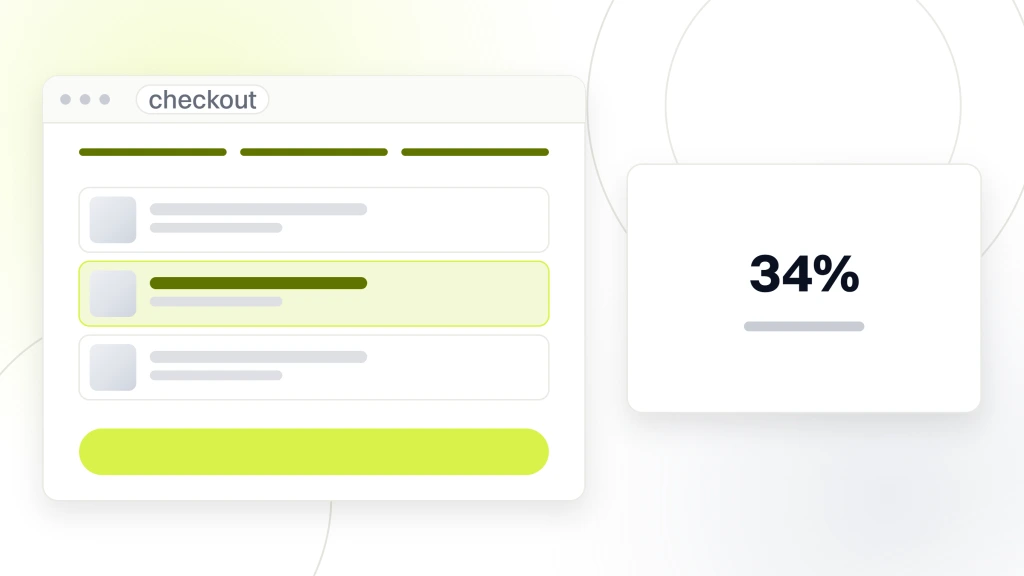
Shopify DTC needs one thing above all else. A subscribe-and-save flow that survives friction. That means a one-click subscription upgrade at checkout, a self-serve portal that lets buyers pause without emailing support, and a replenishment reminder SMS that fires 4 days before predicted stock-out. The DTC ecommerce marketing guide details the subscription flow patterns that grow food and beverage LTV by 60 to 140%. BSH Hausgeräte GmbH shows the same friction lesson outside food. A UX and funnel redesign on the BSH Turkey site preserved SEO, lifted lead generation 15%, and grew organic traffic 3%. Removing friction from the path to purchase pays in any category.
The photography line item is where CPG food ecommerce brands quietly waste money. A single studio shoot does not produce enough asset variety for testing. Plan on 1 anchor shoot plus a rolling library of UGC-style clips that get repurposed weekly across Meta, TikTok, and product page carousels. Feed variety is what scales, not another aspirational hero image sitting on a marble counter.
Craft Brewery And Winery Marketing Needs A Tasting-Room-First Funnel
Craft brewery and winery marketing is a niche inside food and beverage that runs on the taproom or tasting room, not the retail shelf. On-premise margin dwarfs off-premise margin, often by 3 to 5 times. A brewery that fills its taproom Thursday through Sunday captures more profit than the same brewery moving twice as much volume through distributors.
The marketing plan should reflect that math. Every campaign, every email, every social post should carry a call to visit. Event calendars, live music nights, food truck partnerships, brewery tours, and release-day parties are all margin drivers. The website should surface upcoming events above the fold on the homepage. Most brewery sites bury the events calendar 3 clicks deep and wonder why the taproom is quiet on a Tuesday.
Email is the underused channel here. A brewery with a 6,000-person email list can announce a Friday release at 10 a.m. and fill the taproom by 5 p.m. without spending a dollar on paid. Building the list happens at the taproom itself. A wifi captive portal, a merch discount for signup at the bar, a Yelp check-in flow that drops into an email opt-in. According to Brewers Association industry data, taproom sales now represent the highest-margin segment of the craft category, and email is the fastest lever to move taproom traffic on demand.
Local SEO wraps the whole plan. Google Business Profile posts for every release, weekly event updates, food menu photos, and rotating tap list keep the brewery visible on brewery near me and brewpub near me searches. A parallel pattern shows up on the hospitality side of the category. When we built Vejrø Resort its first website, moving from social-only to a booking-integrated site converted 2.2% of organic traffic into direct bookings and ranked 200+ keywords on page one within 3 months, which is the same lesson taprooms need to learn about owning the booking flow instead of renting it from a 3rd party.
Email And SMS Are The Retention Engines No Food Brand Should Skip
Retention is where food and beverage marketing separates from other ecommerce categories. Consumables have the fastest repeat-purchase window in retail. A snack brand that does not hit repurchase inside 21 days will watch its LTV cap at 1.2 orders. A cold-brew coffee brand that nails a 14-day replenishment cadence will hit LTV of 4 to 6 orders inside the first year. Post-purchase email and SMS flows create that entire gap.
Klaviyo and Attentive are the default stack. The specific flows that move the numbers are welcome series (3 emails, day 0/2/5), post-purchase (day 0 receipt, day 3 review request, day 10 replenishment nudge, day 17 subscribe-and-save offer), and win-back (day 45 and day 90 with progressive discounts). Every flow needs SMS backup. Email opens run 25 to 35% for food brands, SMS opens run 95%, and SMS is where the true replenishment revenue lives.
UGC is the cheapest content in food and beverage. Every shipped order should carry an insert card with a hashtag and an incentive to post. The resulting content library fuels ads, product page carousels, and email hero images without a photographer’s day rate. Food brands that pull UGC into the top slot of every Meta ad set cut creative costs and often improve ad performance. A related pattern held for Abigail Ahern, a luxury home décor brand, where an SEO and paid media rebuild around premium creative grew ecommerce revenue 179%, with paid search ROAS of 1,588% and paid social ROAS of 3,000%. Disciplined creative plus intent-tiered spend works outside food too.
Loyalty programs work in food, but only when they are structured around behavior, not points. A points program that gives 10% off after 1,000 points is invisible. A behavior program that earns a free product after 3 purchases, or drops a birthday shipment, or gives early access to seasonal SKUs, is the kind that gets forwarded to friends. Design loyalty for word of mouth, not for accountants.
Paid Media Structure That Compounds For Food Brands
Paid media in food and beverage marketing needs the tightest campaign structure of any ecommerce category, since average order values are low and margin is thin. A $32 average order value (AOV) with 40% margin leaves $12.80 to acquire the customer, and Meta cost per mille (CPMs) above $20 will wipe that out on the first click.
The structure we run for food clients uses a 3-tier CBO on Meta. Prospecting with broad targeting and creative-led ad sets, retargeting with viewers-and-carts pooled, and existing-customer campaigns for LTV-building repeat behavior. Google Ads splits into brand defense (mandatory), non-brand shopping (product feed optimized around dietary modifiers), and dynamic search for the long tail. Every campaign has a hard CAC ceiling tied to blended LTV, not to first-order margin.
TikTok has become non-optional for food brands under a $40 AOV. The platform’s algorithm rewards food content aggressively, CPMs stay lower than Meta, and organic reach on tagged UGC is meaningful in a way that Instagram lost 3 years ago. Every food brand should publish 4 to 8 organic TikTok clips a week, boost the top performers, and cycle new creative weekly. A parallel pattern shows up in ecommerce accounts outside food. Our Boogie Board engagement brought cost per conversion down to $31 across $650K in managed ad spend, and the same discipline of tight campaign structure plus lead magnets plus automated email follow-ups is what most food brands need to import wholesale.
Attribution stays messy in food and beverage since purchase paths mix retail, DTC, and marketplace. We work with clients to model channel contribution using pre/post incremental tests rather than last-click attribution. If a client will not fund incremental tests, we default to a marketing mix model with a 2-quarter lookback and rerun it quarterly. That is how spend stays honest when last-click data misleads the room.
How Food Brand Marketing Channels Compare on ROI Speed and Retention
The channels below are the ones we recommend for food and beverage marketing programs. Speed refers to how fast the channel produces measurable revenue. Retention gain is how much the channel adds to lifetime value once a customer converts. Cost intensity accounts for both media and creative production.
| Channel | Speed to Revenue | Retention Gain | Cost Intensity | Best For |
|---|---|---|---|---|
| Google Business Profile | 1-3 weeks | Low (acquisition-heavy) | Very low | Restaurants, breweries, tasting rooms |
| Meta Prospecting | 3-6 weeks | Low | High | DTC snack and beverage brands |
| TikTok Organic + Boosted | 2-8 weeks | Medium | Medium | Sub-$40 AOV consumables |
| Amazon Sponsored Products | 1-2 weeks | Medium (repeat category) | Medium | Shelf-stable CPG |
| Klaviyo Email Flows | 2-4 weeks | Very high | Low | All DTC food and beverage |
| SMS Replenishment | 1-3 weeks | Very high | Low | Consumables under 30-day repurchase |
| Influencer Whitelisting | 4-10 weeks | Medium | Medium-High | Category-lead product launches |
| In-store Sampling + QR Capture | 2-6 weeks | High if CRM captures | Medium | Retail-first CPG brands |
Rebuild Retention Before Acquisition on a Snack Brand
Picture a mid-market shelf-stable snack brand with a familiar problem. First-order margin looks healthy, but LTV stalls near one order, and paid media keeps flooding the top of funnel without moving repeat revenue. The brand runs Meta prospecting at scale, sponsors plenty of Amazon terms, and still watches cohort retention flatten by month 3.
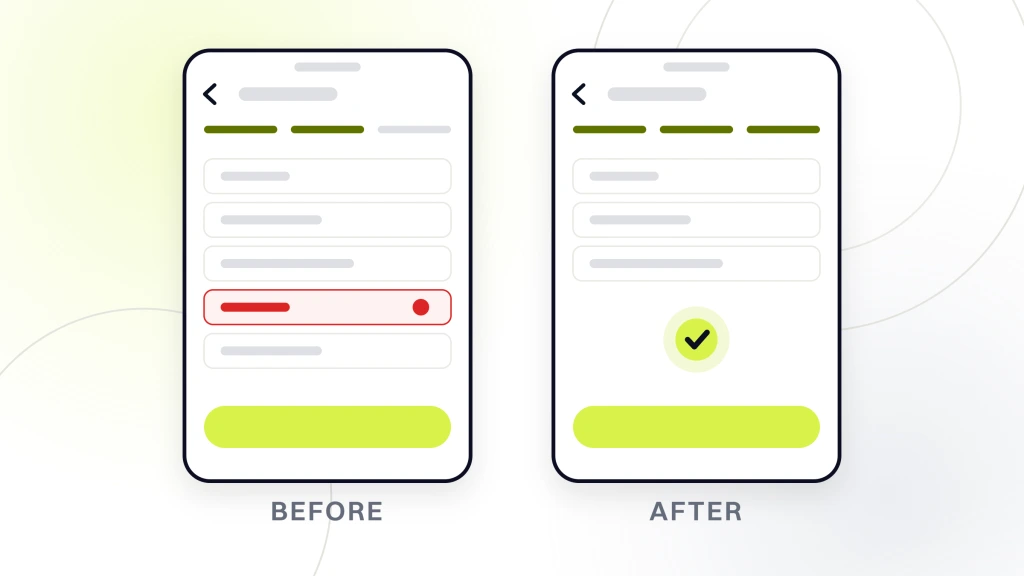
The fix is to rebuild the retention stack before touching acquisition. Klaviyo flows move from a single welcome email to a full post-purchase sequence pegged to the 14-day replenishment window. SMS carries the day-10 nudge and the day-17 subscribe-and-save prompt. Amazon Sponsored Display retargeting picks up cart abandoners at a lower ACoS, and the Shopify checkout gets a one-click subscription upgrade that lifts subscribe-and-save enrollment.
Measure the rebuild on repeat purchase rate at 90 days, blended LTV in orders, and paid ROAS as total revenue grows. The lesson maps cleanly across food and beverage brands. Retention math beats acquisition math in a category where the second order is the profit and the first order is the invitation.
Two adjacent proofs sharpen the point. Custimy, a customer data platform for ecommerce, reached 500+ first-page keywords, 25K+ monthly organic visits, and 165-second average sessions after a new website and off-site SEO, which shows how discovery compounds on a site built to hold visitors. On the recruitment side of consumer categories, Ibemploy hit 7.5K+ monthly visits, a 4.2% conversion rate, and 100+ ranked keywords inside a year after an SEO-optimized website launch, proving that fixing the funnel earns better numbers than doubling the traffic on a broken one.
The Food And Beverage Marketing Metrics That Predict Category Winners
Most teams measure food and beverage marketing with the wrong metrics. Impressions, reach, and engagement rate are vanity numbers for this category. The metrics that predict long-term category winners are narrower and less flattering.
Repeat purchase rate at 30, 60, and 90 days. Subscribe-and-save enrollment rate at checkout. Average time between orders. Retention curve slope from month 2 to month 6. Blended CAC to LTV ratio at the 6-month mark. Product review volume per 1,000 orders. GBP calls per 1,000 impressions for restaurants. Taproom conversion rate from event RSVPs for breweries.
Every food and beverage marketing dashboard we build for clients starts with those metrics on the top row. Traffic, sessions, and impressions go below the fold. If a metric does not tie to a purchase, a repeat purchase, or a physical visit, it does not earn dashboard real estate. Teams that hold this reporting discipline outperform teams that keep chasing follower counts.
Financial teams need to see 3 things weekly. Contribution margin per acquired customer, incremental revenue from marketing net of retention baseline, and blended payback period. Marketing teams need to see cohort retention curves, channel-specific CAC, and creative fatigue signals. Aligning the 2 views is what earns marketing a bigger seat at the annual budget conversation.
What Food And Beverage Marketing Costs In 2026
Pricing questions come up in every food and beverage marketing kickoff, so here are the ranges we quote. Our SEO and PPC tiers run $500, $750, $1,250, and from $3,000 a month. On PPC, Launch at $500 runs Google Ads on up to $2,000 a month in spend. Growth at $750 adds Local Services Ads and up to $5,000 in spend. Scale at $1,250 adds Meta ads and up to $10,000 in spend, and Enterprise covers multi-location programs above that. Google Ads on every tier covers Search, plus Shopping and Performance Max for stores. Amazon PPC, TikTok Spark Ads management, and influencer whitelisting are quoted separately.
Media spend sits on top of retainers. A DTC snack brand chasing $2M in first-year revenue on food and beverage marketing typically funds $30K to $60K per month in Meta, TikTok, and Amazon combined. A regional brewery running paid social and Google alongside GBP optimization can move the needle on $3K to $8K per month. A 40-location restaurant group runs closer to $15K to $25K per month across paid search, local SEO, and reputation, with heavier weight on channels that drive foot traffic.
The best signal on whether you are paying too much is not the invoice size. It is whether the agency reports on repeat purchase rate, subscribe-and-save enrollment, and cohort LTV in every monthly review. If they only send an impressions dashboard, you are funding the wrong work.
Turn Your Food And Beverage Marketing Into Repeat Orders
Great food and beverage marketing rewards discipline. Winning food and beverage marketing programs segment by business model, put budget on decision-tier intent, fund retention on day 1, and run the specific channel stack that fits your unit economics. That model holds from shelf-stable snacks to craft breweries to hospitality brands.
If you want a diagnostic pass on your current program, we run a 90-minute audit that maps your intent tiers, benchmarks your CAC and LTV against category norms, and pinpoints the 3 to 5 changes that move repeat orders inside a quarter. Every recommendation ties to a real number from your own data, not a slideware playbook. Get in touch when you are ready to grow the second order, not just the first click.
Frequently asked questions
What is food and beverage marketing?
Food and beverage marketing is the mix of paid, organic, retail, and retention channels that moves consumable products from a shelf or menu into a repeat purchase. It covers CPG snacks, DTC beverages, restaurants, breweries, and wineries. The category rewards specificity. A snack brand, a fine dining restaurant, and a craft distillery share almost nothing beyond a Google Ads login, so effective plans segment by business model first and only then map channel investment against real search intent tiers.
How to start food marketing?
Start by naming the business model in one sentence, since a CPG brand, a restaurant, and a beverage startup need different mixes. Then pick 3 tactics that fit that model. For a restaurant, that is a fully loaded Google Business Profile, an integrated reservation flow, and a post-visit email trigger. For a CPG brand, that is Amazon Sponsored Products, Meta retargeting against retailer geo-fences, and a Shopify subscribe and save flow. For a beverage brand, that is store-locator paid social, sampling capture into email, and a coupon that redeems in 14 days.
How much does a food and beverage marketing retainer cost?
Real retainer bands at Redefine Web start at $500 per month on SEO Visibility, which covers one restaurant's Google Business Profile, citations, and rank tracking. PPC Growth at $750 runs a CPG brand's Google Ads, including Shopping and Performance Max, on up to $5,000 in monthly spend. Bands reach $1,250 to $3,000+ per month once Meta ads join on Scale, for brewery groups or DTC beverage brands running search and social together. Amazon ads and email or SMS retention flows are quoted separately. Ad spend is billed separately from the retainer. Programs that promise unlimited scope for a flat fee usually strip creative iteration and post-purchase automation, which is where food and beverage margin actually gets defended.
What is the best channel mix for CPG food brands?
For most CPG food brands the mix skews 40% Amazon Sponsored Products, 25% Meta prospecting and retargeting layered against retailer geo-fences, 20% Shopify DTC search and shopping, and 15% retention through email and SMS. Sponsored Display retargeting on Amazon carries a specific job, converting cart abandoners at ACoS bands 40 to 60% lower than Sponsored Products. The mix flips for shelf-stable versus perishable SKUs. Perishables lean harder into hyperlocal Meta and less into Amazon, since shipping economics kill DTC margin below a $35 basket.
How do restaurants get more Google Maps traffic?
A fully loaded Google Business Profile does 80% of the work. That means every category filled correctly, 40 or more photos rotating monthly, menus uploaded as structured data, and posts published every 7 days minimum. The review flywheel does the rest. A restaurant with 400 reviews at 4.6 stars typically outranks a competitor with 80 reviews at 4.8 stars, since Google weights review volume as a proxy for recent activity. Pair that with a reservation-integrated website that fires a conversion event on booking, and near me query capture becomes predictable.
How do beverage brands drive retail shelf velocity?
Shelf velocity is a distribution problem disguised as a marketing problem. Build hyperlocal geo-fenced campaigns around each retailer within 3 miles of the store. Paid Instagram Reels target the specific zip codes where the SKU sits on shelf that week, and Meta traffic ads point to a store locator, not the DTC page. Sampling still matters. In-store demos convert 30 to 50% trial to purchase in the same visit per Grocery Dive reporting, but only if the sample gets captured into email with a coupon that redeems inside 14 days. That is how a sample becomes a case, and a case becomes a shelf slot the buyer refuses to give up.
What is a realistic timeline for food and beverage marketing results?
Paid social and Amazon PPC deliver readable data in 4 to 6 weeks, though ROAS stability typically arrives in month 3 after negative keyword pruning and creative iteration. Restaurant Google Business Profile work moves the map pack in 6 to 10 weeks. SEO for recipe pages, category pages, and CPG product hubs takes 4 to 6 months to move commercial queries. Retention automation like subscribe and save flows or replenishment SMS shows LTV lift 90 days after enrollment volume passes a few hundred subscribers, then compounds every quarter.
How do craft breweries turn taproom traffic into repeat customers?
Taproom margin dwarfs off-premise margin, often by 3 to 5 times, so the funnel starts at the door. A QR code on every table drops the guest into an email list in one scan, and a first-visit thank you email fires within 24 hours with a soft nudge to join the mug club or reserve the next release. Google Business Profile posts for every release, weekly event updates, food menu photos, and a rotating tap list keep the brewery visible on brewery near me and brewpub near me searches. The tasting room becomes the CRM, and the CRM feeds every future release cycle.
Omor Sarif founded Redefine Web in 2021 to run websites, SEO, paid media, and marketing automation as one revenue-tied program for growth-stage brands. He is Lead Web Developer at Spicy Pixel since 2022, and holds a Bachelor of Science in Electrical and Electronics Engineering from Bilkent University. Earlier roles include Software Developer at Apple (2012 to 2015), Freelance Translator at Coursera (2014), and Student Ambassador at Student Competitions AB (2014 to 2016). His work has been covered by Business Insider, MSN, Polygon, Popular Mechanics, and MarketWatch.